How Ski Tuning Works and Why It Matters
A simple breakdown of edges, bases, wax, and how they affect performance on snow
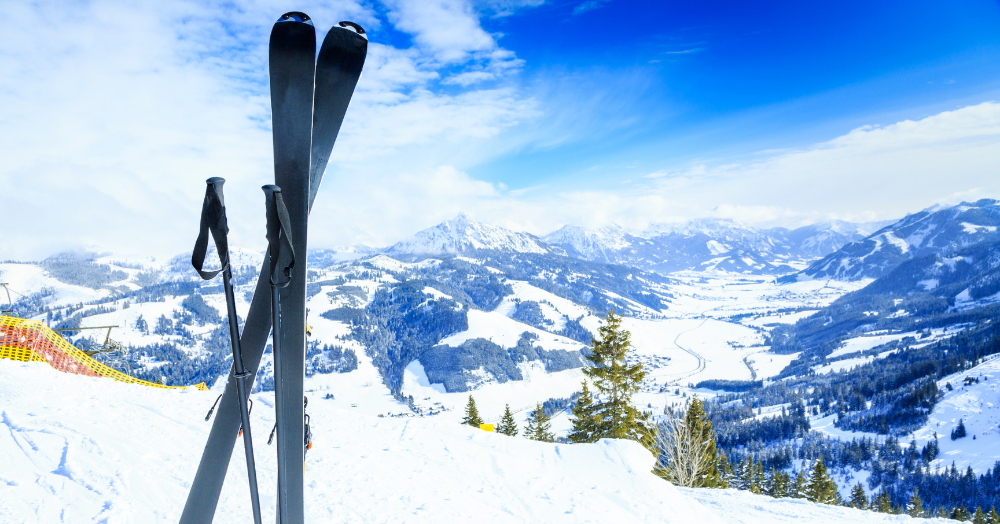
A good ski tune isn’t about making skis perfect. It’s about making them predictable, safe, and fun to ski.
Most skiers know when their gear feels off, but don’t always know why. Here’s a simple breakdown of how ski tuning works and why it matters more than most people think.
What a Ski Tune Actually Does
A proper ski tune focuses on three main areas:
-
Edges – Sharpened for grip and control on firm or icy snow
-
Base – Flattened and repaired so skis glide smoothly
-
Wax – Applied to match snow conditions and improve speed and feel
Each part plays a role in how your skis respond on snow.
Why Edges Matter More Than You Think
Edges are what give you confidence when conditions get firm.
Well-tuned edges help:
-
Hold turns on hardpack and icy runs
-
Reduce chatter and slipping
-
Make skis feel more predictable and stable
Dull or uneven edges make skiing harder than it needs to be, especially late season.
What Happens When Bases Are Ignored
Bases take a beating over time. Rocks, dirt, and normal wear all add up.
A base tune helps:
-
Restore a flat, even surface
-
Improve glide and speed
-
Prevent skis from feeling sticky or slow
Ignoring base damage doesn’t just slow you down. It can shorten the life of your skis.
Why Wax Isn’t Just About Speed
Wax isn’t only for going fast.
Proper waxing:
-
Improve speed and consistency on snow
-
Protects the base from drying out
-
Makes skis easier to control and less tiring to ski
Different snow conditions call for different waxes, especially in late winter and spring.
Types of Ski Tunes
Not all ski tunes include the same work. Different tune levels are designed to address different amounts of wear and performance needs.
Basic Tune
A basic tune is best for skis that are already in decent shape and just need a refresh. It typically includes:
-
Edge sharpening
-
Waxing
-
Light base cleanup
This helps restore grip and glide for skis that haven’t seen heavy use or damage.
Stone Grind Tune
A stone grind is a more complete tune designed for skis with noticeable wear. It includes everything in a basic tune, plus:
-
Restoring base structure
-
Removing deeper scratches and uneven wear
-
Resetting the base so wax absorbs properly
-
Performing consistently in changing snow conditions
A stone grind is often recommended for heavily used skis, skis that feel slow, or gear that hasn’t been tuned in a while.
That difference in process is what separates a quick tune from a more complete one.
How Often Skis Should Be Tuned
There’s no exact rule, but most skiers benefit from:
-
At least one full tune per season, or every 20–30 ski days
-
More frequent edge work if you ski firm or icy conditions
-
A wax refresh every few days on snow, or whenever skis start to feel slow
If your skis feel unpredictable, grabby, or sluggish, it’s usually time.
Why Professional Tuning Matters
While quick fixes help, a professional tune ensures:
-
Proper edge angles
-
A flat, even base
-
Consistent results you can trust
Good tuning makes skiing more enjoyable and helps your gear perform the way it was designed to.
Key Takeaways
-
Ski tuning improves control, safety, and consistency
-
Edges, base, and wax all work together
-
Different tune levels address different wear and needs
-
Regular tuning extends the life of your skis
-
Well-tuned skis make every run more enjoyable
Bottom Line
If your skis don’t feel the way they used to, a tune is often the simplest fix. Keeping your gear in good shape helps you ski with more confidence and get more out of every day on the mountain.
Ski tuning also helps your equipment perform better and last longer throughout the season. Learn more about our ski tuning and repair services here.


Ski Season Wrap-Up Alert!

The final day for ski rentals this season is March 30th! Make the most of the remaining slopes before we switch gears for golf season. Plan ahead & grab your rentals while you can!