Debunking Common Club Fitting Myths
Clearing up a few common misunderstandings about club fittings.
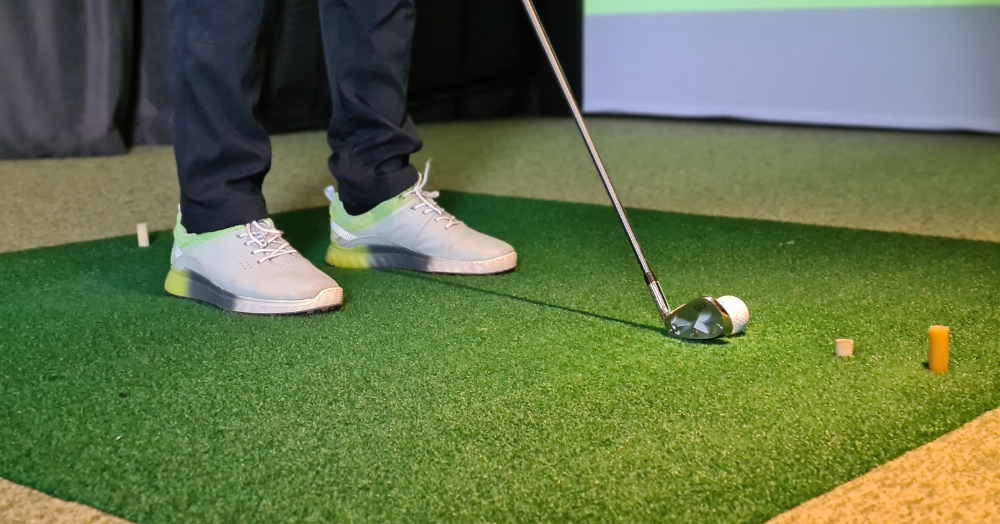
Club fittings are one of the most misunderstood parts of buying golf equipment. Many golfers put off getting fit because they think they need to improve first, swing more consistently, or reach a certain level before it makes sense.
In reality, those assumptions usually make the game harder than it needs to be.
Here are a few common club fitting myths we hear all the time, and what actually matters.
Myth 1: I Need to Improve Before Getting Fit
This is the most common misconception.
Many golfers think a fitting only makes sense once their swing is “better” or more consistent. In reality, fittings are designed for real golfers with real swings.
A proper fitting works with:
-
The swing you have today
-
Your tendencies, not your best swings
-
How you actually play on the course
Waiting to get fit often means continuing to play with clubs that don’t help you improve in the first place.
Myth 2: Club Fittings Are Only for Good Golfers
This one usually shows up as, “I’m not good enough to get fit yet.”
Club fittings aren’t about being good. They’re about making the game easier and more enjoyable for the golfer you are right now.
Properly fit clubs help:
-
Improve consistency without extra effort
-
Reduce frustrating misses
-
Make solid contact feel more natural
-
Make the game more fun to play
In fact, many golfers who struggle with consistency often see the biggest benefit, because properly fit clubs remove unnecessary difficulty from the game.
Myth 3: My Swing Changes Too Much to Get Fit
It’s true that swings evolve over time. That doesn’t make fittings pointless.
Length, lie angle, shaft weight, and overall club feel still matter even as technique improves. A fitting creates a solid baseline so future changes happen on top of good fundamentals instead of poorly matched equipment.
Myth 4: Off-the-Rack Is Close Enough
“Standard” clubs are built to general averages. Most golfers don’t match those averages very well.
Small differences in:
-
Shaft weight or flex
-
Club length
-
Lie angle
can have a big impact on contact, consistency, and ball flight. A fitting helps remove those mismatches.
Myth 5: Once I Get Fit, I’m Stuck With These Clubs Forever
This concern usually sounds like: “What happens when I get better?”
Getting fit doesn’t lock you into a single setup for life.
Most swing improvements don’t change the fundamentals that fittings address, such as:
-
Club length
-
Lie angle
-
Shaft weight and balance
As golfers improve, small adjustments are common. A good fitting creates a solid foundation, so your equipment can be adjusted as you improve and upgraded to a new set when the time is right.
Key Takeaways
-
You don’t need to earn a club fitting
-
Fittings are built around your current swing
-
Proper equipment makes the game easier and more enjoyable
-
Getting better doesn’t mean starting over
Bottom Line
If you’ve been putting off a club fitting because you think you need to get better first, you’re not alone. But in many cases, getting fit is what helps golfers take the next step.
Clubs that fit properly make the game simpler, more consistent, and more enjoyable from the start. Learn more about our custom club fitting process.


Ski Season Wrap-Up Alert!
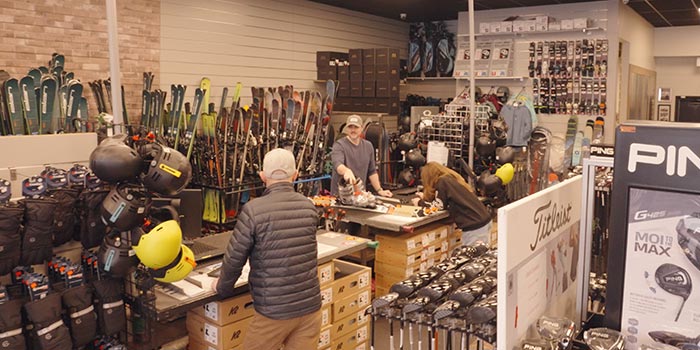
The final day for ski rentals this season is March 30th! Make the most of the remaining slopes before we switch gears for golf season. Plan ahead & grab your rentals while you can!