How Does Cold Weather Affect Your Golf Game?
What fall golfers should know about distance, club selection, feel, and warming up as temperatures drop.

Fall golf in Colorado can mean a cold first tee, a warm afternoon, or both during the same round.
As temperatures drop, the golf ball may not travel as far, your clubs can feel different, and your body may need more time to loosen up. None of that means you have to put the clubs away. It just means adjusting your expectations and preparing a little differently.
Here is what to know before your next cold-weather round.
Quick Answer
Cold weather can reduce golf ball distance, make impact feel firmer, and leave your body feeling tighter early in the round. Taking more club, warming up gradually, keeping your hands comfortable, and dressing in flexible layers can help you adjust.
How Cold Weather Affects Distance
Golf shots generally do not travel as far in colder temperatures.
Cold air is denser than warm air, which creates more resistance as the ball travels. A cold golf ball can also feel firmer and may not respond exactly the way it does on a warm summer day.
Your body can contribute to the difference too. Extra layers, cold muscles, and a shorter warm-up may reduce your normal range of motion or swing speed.
Rather than expecting your usual summer yardages, pay attention to how far the ball is actually carrying that day.
How to Adjust Your Club Selection
Cold-weather golf often requires taking more club than you normally would.
That might mean hitting a 7-iron instead of an 8-iron or choosing a longer club on a par 3. The goal is not to swing harder. It is to make your normal swing with a club that better accounts for the conditions.
Temperatures can also change significantly during a fall round. A club that was right early in the morning may travel differently once the day warms up, so continue paying attention to your carry distances instead of making one adjustment for all 18 holes.
Should You Use a Different Golf Ball in Cold Weather?
You do not have to change golf balls just because the temperature drops, but some golfers prefer a softer-feeling ball during colder rounds.
Cold temperatures can make impact feel firmer, especially with a ball that already has a firm feel. A softer-feeling or lower-compression option may feel more comfortable for some golfers, but the right choice still depends on your game and personal preferences.
Consistency also matters. If you already know how your usual golf ball reacts, adjusting your club selection may be easier than switching to something unfamiliar.
It also helps to store your golf balls indoors before the round instead of leaving them overnight in a cold car or garage.
Why Your Body May Need More Time to Warm Up
Your swing may feel shorter or less fluid when your muscles and joints are cold.
Instead of going directly from the car to full-speed driver swings, give yourself a little more time to get moving. Start with some light movement and gradual practice swings, then work from shorter clubs toward longer ones.
The goal is not to wear yourself out before the round. It is simply to let your body loosen up before asking it to make a full golf swing.
How Cold Weather Changes Feel and Grip
Cold hands can make it harder to feel the club, and grips may feel firmer than they do in warmer weather.
Keeping your hands warm between shots can help you maintain a more natural grip pressure. Hand warmers are an easy option that can stay in your pockets throughout the round.
Layers can help you stay comfortable, but bulky clothing may restrict your turn. Several lightweight layers usually make it easier to swing freely and adjust as temperatures change.
What to Bring for a Cold-Weather Round
A few simple additions can make fall golf much more comfortable:
- Lightweight layers you can add or remove as temperatures change
- Hand warmers
- A warm hat
- A softer-feeling golf ball option if you want to compare performance and feel
The right preparation can help you stay comfortable as the day warms up or cools down.
Key Takeaways
- Golf shots generally travel shorter in colder temperatures.
- Taking more club is usually better than trying to swing harder.
- Some golfers prefer a softer-feeling golf ball when it is cold.
- Your body may need more time to loosen up before full swings.
- Warm hands and flexible layers can make cold-weather golf more comfortable.
- Continue adjusting as temperatures change throughout the round.
Bottom Line
Cold weather can change how the ball flies, how the club feels, and how quickly your body is ready to swing. A little preparation and a few simple adjustments can help you continue playing comfortably and confidently through the fall.
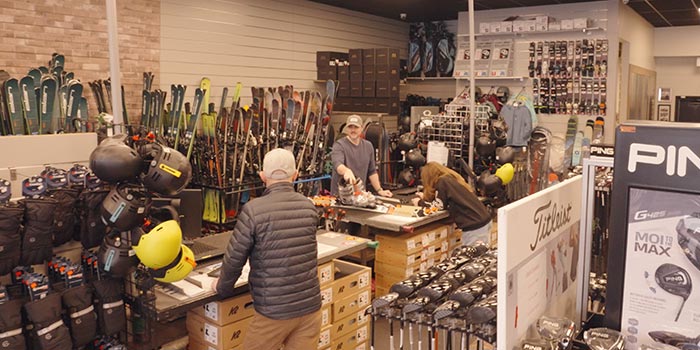
Stop by Lenny’s Ski & Golf in Aurora if you need help choosing a golf ball, replacing worn grips, or getting your bag ready for colder rounds.


Ski Season Wrap-Up Alert!
The final day for ski rentals this season is March 30th! Make the most of the remaining slopes before we switch gears for golf season. Plan ahead & grab your rentals while you can!